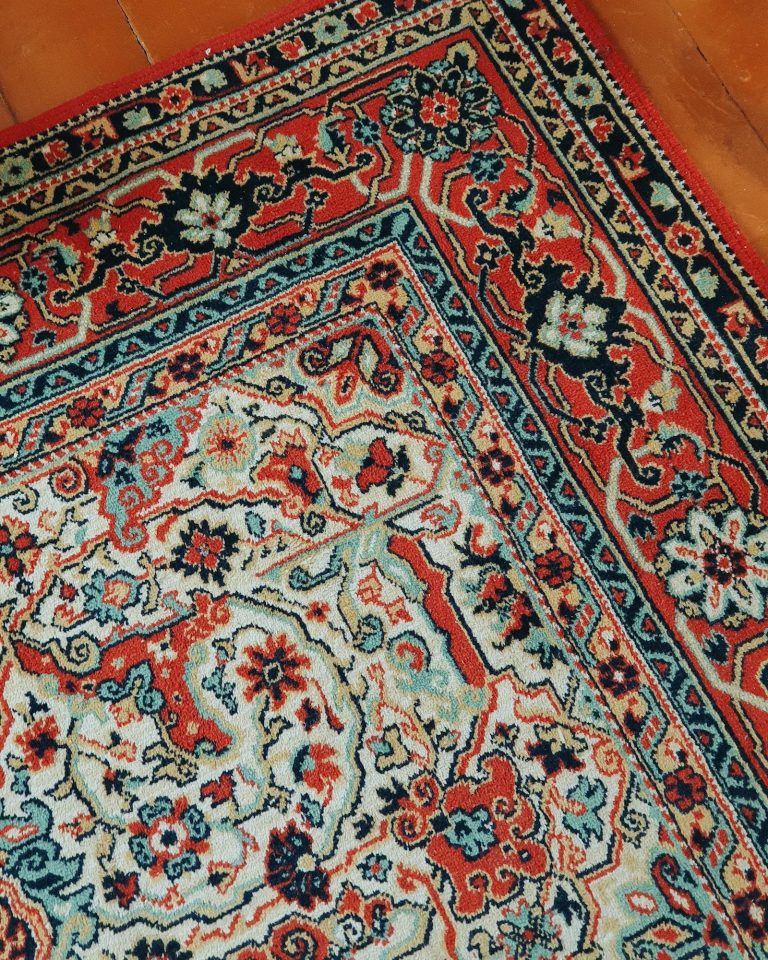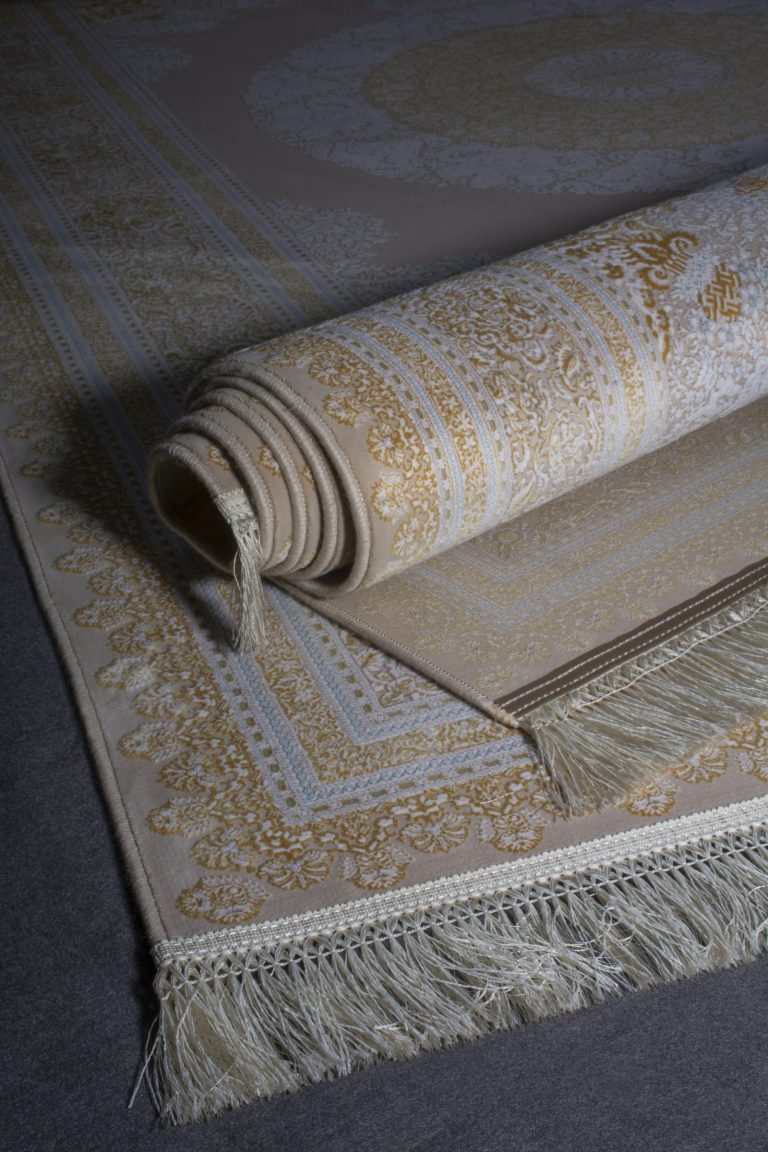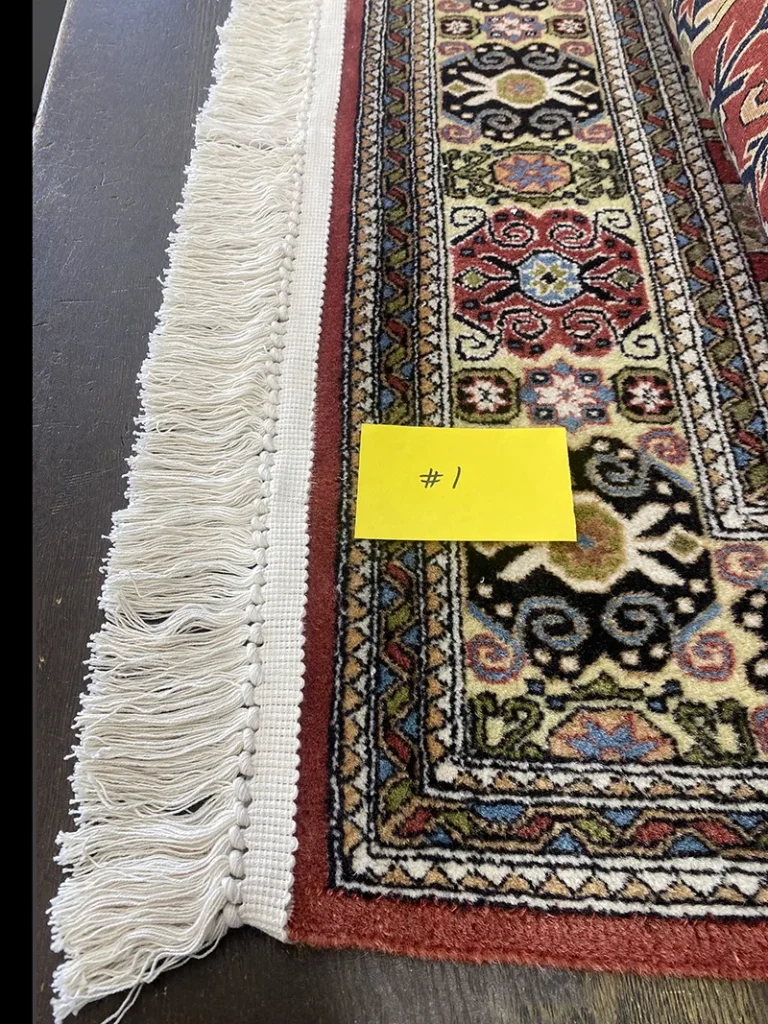


An area rug can transform a room — anchoring furniture, defining spaces, adding warmth and texture. But choosing the wrong size, material, or placement can make even a beautiful rug look out of place. Here’s our room-by-room guide to getting it right.
Living Room
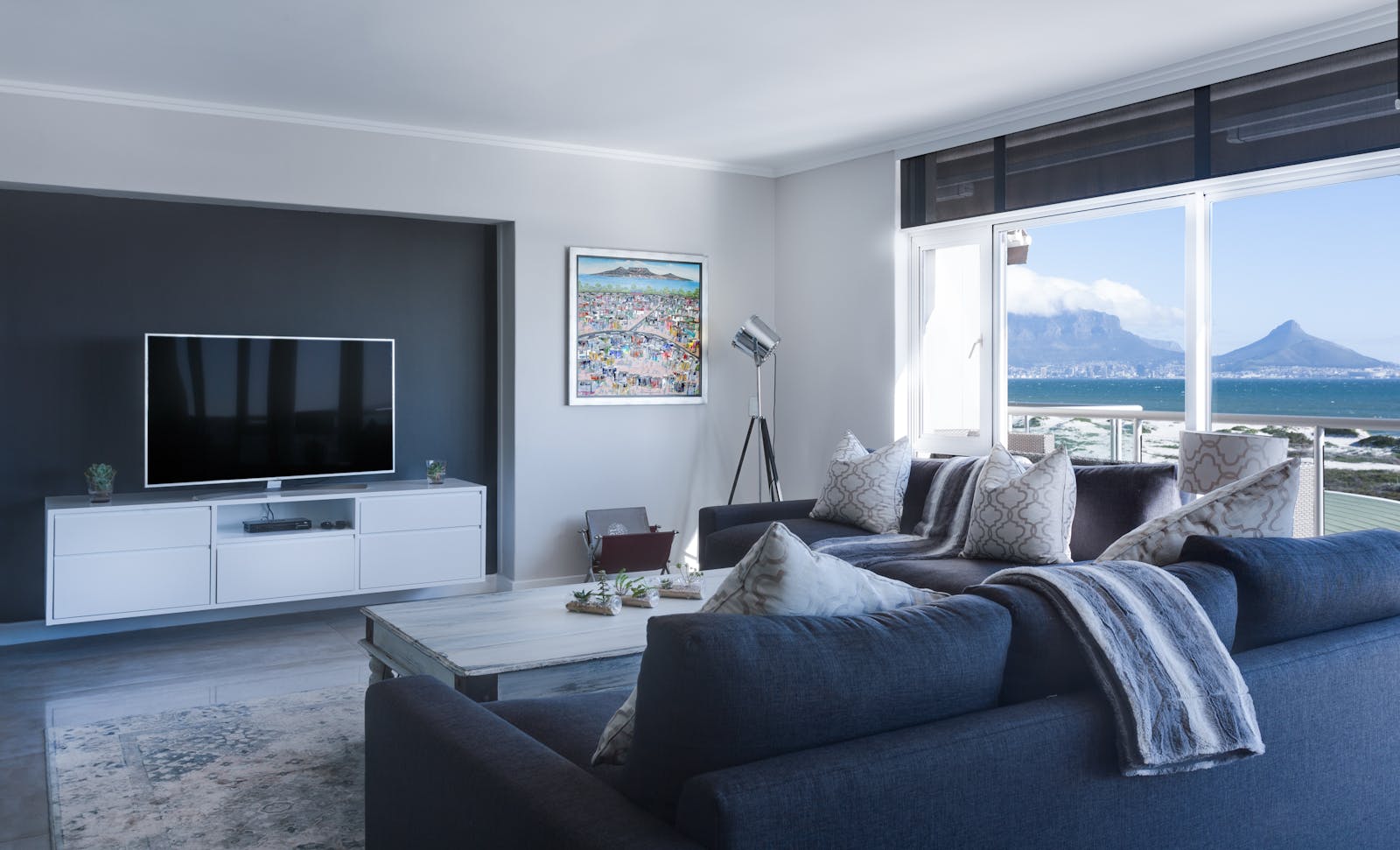
The living room rug is usually the largest and most visible in your home. The most important rule: go big enough. A too-small rug floating in the middle of a seating arrangement is one of the most common decorating mistakes.
- Size: Ideally, all furniture legs should sit on the rug. If budget or room size is a constraint, at least the front legs of sofas and chairs should be on the rug
- Material: Wool is the gold standard — durable, naturally stain-resistant, and ages beautifully. For families with young children, a medium-pile wool rug offers the best balance of comfort and practicality
- Shape: Rectangular rugs work with most seating arrangements. Round rugs can work in smaller, more intimate conversation areas
Dining Room
Dining room rugs take more abuse than people expect — chair legs, food spills, and constant sliding.
- Size: The rug should extend at least 24 inches beyond the table on all sides so chairs remain on the rug even when pushed back
- Material: Flatweave or low-pile rugs are easier to slide chairs on and simpler to clean. Avoid deep shag or delicate silk in this space
- Practical tip: Consider a dark or patterned rug to camouflage inevitable food and drink spills between professional cleanings
Bedroom
A bedroom rug is all about that first-step-out-of-bed comfort.
- Size: A large rug (8’x10′ or 9’x12′) under the bed with 2–3 feet extending on each side is the most polished look. Alternatively, two runners on either side of the bed work well in narrower rooms
- Material: This is where you can indulge in plush, high-pile options — silk, soft wool, or even a luxurious shag. Bedrooms are low-traffic, so delicate materials hold up well
- Placement: The rug should extend from roughly the bedside tables to at least 2 feet past the foot of the bed
Entryway and Hallway
These are the hardest-working rugs in your home.
- Size: Runners (2.5’x8′ or 3’x10′) for hallways; a 3’x5′ or 4’x6′ for entryways
- Material: Durability is paramount. Wool, jute, or synthetic blends handle heavy foot traffic and tracked-in dirt best. Avoid silk and delicate antiques in these zones
- Essential: A quality rug pad is non-negotiable here for safety (preventing slipping) and rug longevity
Home Office
An area rug in your office adds warmth, dampens sound, and defines your workspace.
- Size: Large enough to fit under your desk and chair with room to roll
- Material: Low-pile or flatweave for easy chair movement. Avoid anything too thick that makes your desk chair hard to roll
- Bonus: Patterned rugs hide the wear patterns from desk chair wheels
Caring for Your Investment
Regardless of where you place your rugs, regular professional cleaning extends their life and keeps them looking their best. Our cleaning process is tailored to each rug’s specific fiber type and construction — whether it’s a plush silk bedroom rug or a durable wool entryway runner.
Need advice on caring for a specific rug? Reach out for a free consultation — we’re always happy to help.