

Walk into any rug store or antique shop and you’ll hear the terms “Oriental rug” and “Persian rug” used almost interchangeably. While all Persian rugs are Oriental rugs, not all Oriental rugs are Persian. Understanding the distinction isn’t just academic — it affects how your rug should be cleaned, repaired, and valued.
What Makes a Rug “Oriental”?
“Oriental rug” is a broad category that encompasses any hand-knotted rug made in Asia. This includes rugs from Iran, Turkey, India, China, Pakistan, Afghanistan, Tibet, Nepal, and several Central Asian countries. The common thread is the hand-knotting technique — each knot is tied individually by a weaver, resulting in a dense, durable textile that can last centuries with proper care.
What Makes a Rug “Persian”?
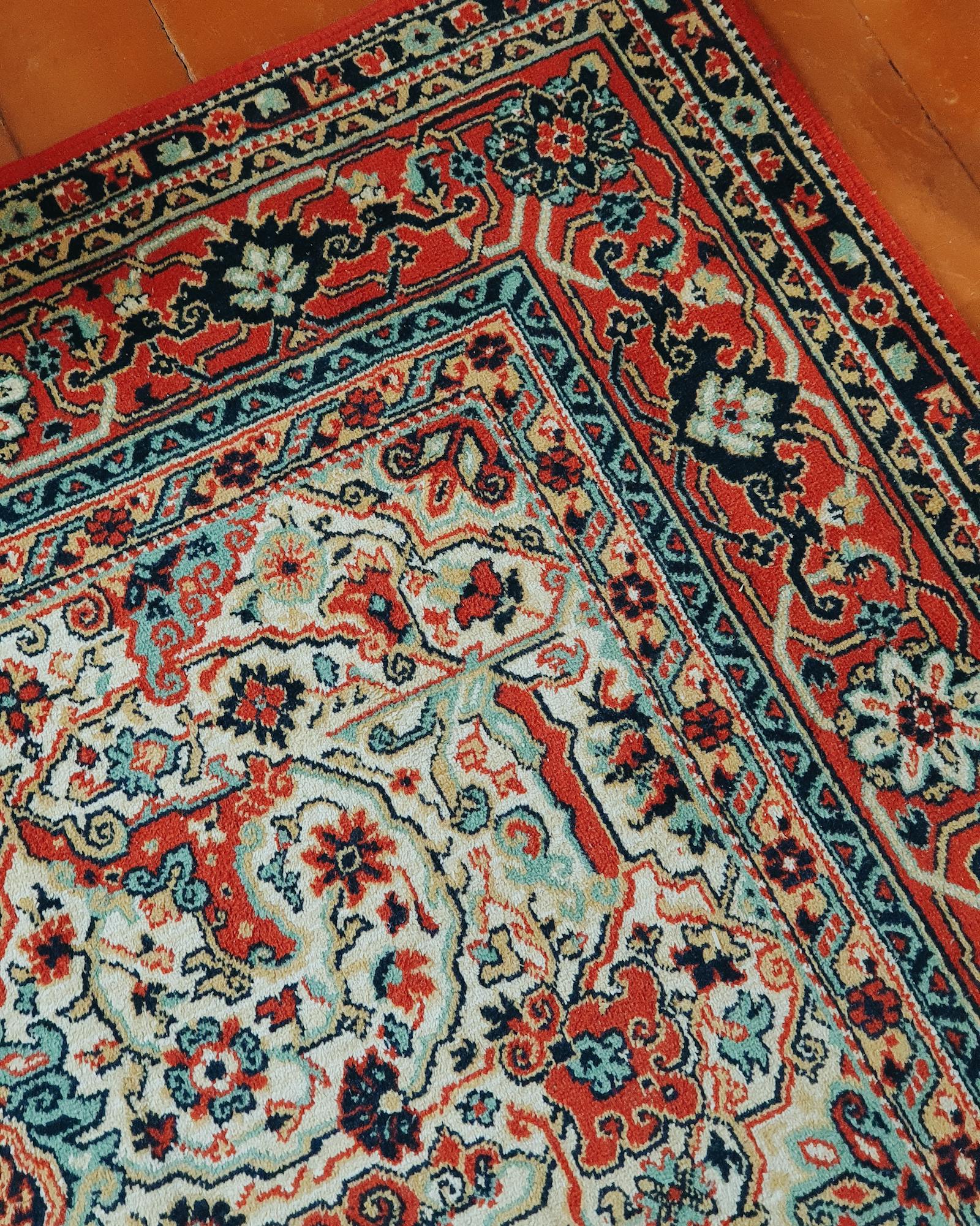
Persian rugs are a subset of Oriental rugs, specifically those made in Iran (historically Persia). They’re renowned for their intricate patterns, rich color palettes, and exceptional craftsmanship. Persian rugs are typically classified by the city or region where they were made — Tabriz, Isfahan, Kashan, Kerman, and Heriz are among the most celebrated origins.
Key Differences
Knot Type: Persian rugs generally use the asymmetrical (Senneh) knot, which allows for finer detail in patterns. Turkish and many other Oriental rugs use the symmetrical (Ghiordes) knot, which creates a sturdier pile.
Patterns: Persian rugs are known for elaborate medallion designs, intricate floral motifs, and arabesques. Turkish rugs often feature more geometric and prayer niche designs. Chinese rugs tend toward pictorial elements like dragons, flowers, and landscapes. Indian rugs frequently adapt Persian designs but with their own regional character.
Materials: Most high-quality Oriental rugs use wool, silk, or a combination. Persian rugs from certain regions (like Isfahan and Qom) are famous for their silk pieces. Afghan and tribal rugs sometimes incorporate camel hair or goat hair.
Why It Matters for Cleaning and Repair
Different origins mean different dyes, fibers, and construction techniques — all of which affect how a rug should be cleaned:
- Vegetable-dyed Persian rugs require gentler pH-neutral solutions to preserve their natural colors
- Silk rugs (common in Persian Qom and Chinese pieces) cannot be cleaned with the same methods as wool
- Tribal rugs with looser weaves need different handling than tightly-knotted city rugs
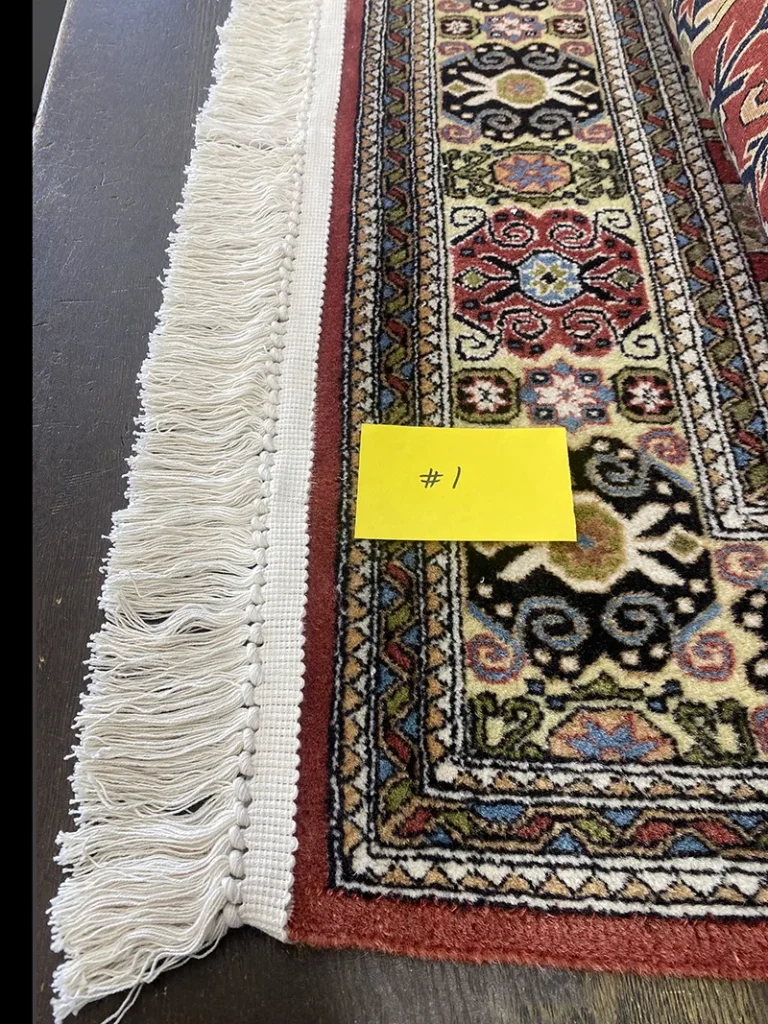
- Fringe type varies by origin — Persian rugs typically have cotton foundation fringe, while some Turkish rugs have wool fringe that requires different repair techniques
At Residential Rug Care, every rug we receive is inspected and identified before any cleaning begins. We assess the origin, fiber content, dye type, and construction method to ensure we use exactly the right process. This is why we don’t clean rugs on-site with a portable machine — proper rug care requires a controlled environment and rug-specific expertise.
Have questions about your specific rug? Contact us for a free evaluation — we’re happy to identify your rug’s origin and recommend the appropriate care.